
London to Amsterdam: Train, Flight, Car or Chauffeur
London to Amsterdam compared: Eurostar in about four hours, flights, the Harwich ferry and a chauffeured drive via LeShuttle, with honest door-to-door times.
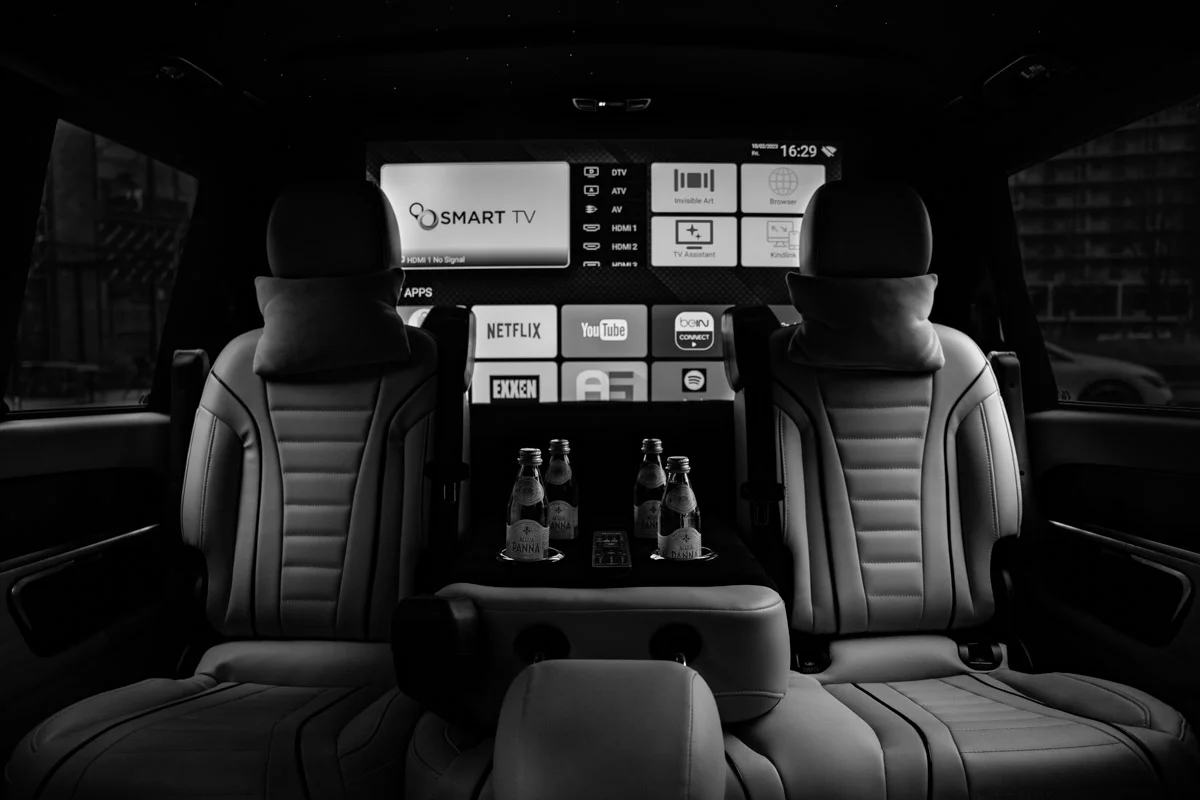
London to Amsterdam is roughly 500 kilometres of road plus the Channel crossing. A chauffeured drive via LeShuttle takes about 7 to 8.5 hours door to door, the direct Eurostar runs from St Pancras to Amsterdam Centraal in around four hours, and a flight spends about an hour and a quarter in the air.
For one person with a cabin bag going from central London to central Amsterdam, the train is usually the right answer, and we will not pretend otherwise. This guide sets out every realistic option, the road route stage by stage, the border formalities that changed with the EU’s Entry/Exit System, and the situations in which a car driven by someone else is the better way to make the trip.
London to Amsterdam at a Glance
The useful comparison runs from your door in London to your door in Amsterdam, not from terminal to terminal. Times assume normal conditions.
| Option | Time in transit | Realistic door to door | Best for |
|---|---|---|---|
| Eurostar, direct | About 4 hours platform to platform | Roughly 5 to 5.5 hours | Solo travellers and pairs, centre to centre, light luggage |
| Flight to Schiphol | About 1 hour 15 in the air | Roughly 5 hours | Connections at Schiphol, travellers who live near a London airport |
| Chauffeur via LeShuttle | 35 minutes under the Channel | Roughly 7 to 8.5 hours | Groups, heavy luggage, valuables, addresses away from the centres |
| Self-drive or one-way hire | As the chauffeur | 7 to 8.5 hours, plus parking | Drivers comfortable on both sides of the road |
| Ferry, Harwich to Hook of Holland | Roughly 7 to 8 hours at sea | A full day or a night | Drivers who prefer a cabin to the motorway |
Eurostar, Flying or the Car: When Each One Wins
Each option wins for a different kind of trip. The train wins on speed between the centres, flying wins when Schiphol is a connection rather than the destination, and the car wins when the journey carries people, luggage or objects that do not suit a terminal.
Eurostar
Eurostar is the benchmark. The direct service leaves St Pancras and reaches Amsterdam Centraal about four hours later, in the middle of the city. There are only a few direct departures a day, with more journeys possible by changing in Brussels, so book the direct train early if your timing is fixed.
Two things add time around the headline figure. Eurostar asks passengers to arrive well before departure for security and passport control, and since the EU’s Entry/Exit System began in October 2025, passengers with non-EU passports, British travellers included, register fingerprints and a facial image at kiosks the first time they travel under it. At the far end you still need a tram, taxi or walk from Centraal to your actual address.
Flying
Heathrow, Gatwick and London City all have direct flights to Schiphol, and the flight itself is short. The time goes on everything around it: reaching the airport, security, boarding, the walk to arrivals, and the drive from Schiphol into the city, about 20 to 25 minutes outside the peaks. Flying makes the most sense when you live near a London airport, or when Amsterdam is one stop on a longer itinerary through Schiphol.
The car
A chauffeured car loses the time argument against both and wins on almost everything else. It starts at your door, keeps the luggage in the boot from London to Amsterdam, and works as well for seven people as for one. A family relocating, a team travelling to an event, a collector with a painting, a traveller who does not fly: for them the extra hours are a fair trade. Three or four passengers also change the arithmetic, because the car costs the same whether one seat is taken or all of them.
Self-drive and the ferry
Driving yourself is possible, and some rental firms offer one-way hire from London to Amsterdam. Weigh it honestly: a long day at the wheel, the right-hand side of the road from Calais onwards, and an Amsterdam centre where parking is scarce and among the most expensive in Europe. The ferry from Harwich to Hook of Holland, with day and overnight sailings, replaces the Belgian motorways with a cabin, and the drive from the port to Amsterdam takes roughly another hour.
The Route: London to Amsterdam by Car, Stage by Stage
The road journey has four stages, and only one of them involves a passport check. Here is how the day runs in practice.
London to Folkestone: 1.5 to 2 hours. From central London the car heads south-east on the M20 to the Eurotunnel terminal at Folkestone. The hour of departure matters far more than the distance; see the rush-hour section below.
The Folkestone terminal: allow about an hour. French border police check passports in Folkestone, before boarding, so you arrive in France with the formalities done. Under the Entry/Exit System, non-EU passport holders register at kiosks in a covered area: everyone in the car steps out briefly for a fingerprint and face scan, then an officer checks the passports. EU passport holders skip the kiosks. The full registration happens on the first crossing; later crossings check against it.
The crossing: 35 minutes. LeShuttle runs around the clock, with up to four departures an hour at busy times. The car drives onto the train and you stay with it, in your seat or standing beside it. Nothing is unloaded and nothing leaves your sight.
Calais to Amsterdam: about 3.5 hours. From Calais the motorway follows the coast past Dunkirk into Belgium, runs inland past Ghent and around Antwerp, and crosses into the Netherlands near Breda for the final stretch north. There is no fixed passport control at these internal Schengen borders, though police can carry out checks, so keep passports to hand.
Stops and airports along the way
Ghent and Antwerp sit directly on the route and make natural lunch stops, and Bruges is a short detour off the motorway. A stop adds only the time you spend at it. The drive ends 20 to 25 minutes from Schiphol, so a journey that finishes with a flight can go straight to the departures kerb instead of the city.
Rush Hour at Both Ends
Timing decides this journey more than distance does. London’s road peaks run roughly 07:00 to 09:30 and 16:00 to 19:00 on weekdays, and Friday afternoons are worse, as weekend traffic towards the M25 and the Channel ports builds from early afternoon. A departure just after the morning peak, or a Friday crossing booked so that the car is through Kent by lunchtime, takes the sting out of the first stage.
London also has its charges. The Congestion Charge applies in the central zone from 07:00 to 18:00 on weekdays and from 12:00 to 18:00 at weekends, and the Ultra Low Emission Zone covers all of Greater London around the clock. Non-UK cars must be registered with Transport for London even when they meet the ULEZ standard, a step visiting drivers often miss. With a chauffeur, both sit inside the fixed price rather than on your to-do list.
Then there is the clock. The Netherlands is one hour ahead of the UK, so the crossing costs an hour of local time. A car that leaves central London at 09:30 typically boards around midday UK time and reaches Amsterdam in the early evening, inside its 16:00 to 19:00 peak on the A10 ring. For an arrival before 16:00, start early. Our guides to London rush hour and Amsterdam rush hour set out both ends in detail.
What a Typical SilverDrive Booking Looks Like
SilverDrive is an Amsterdam company, so on this route the car and chauffeur come from the Netherlands to collect you, and the whole journey, crossing included, is quoted as one fixed price agreed at booking. There is no meter, no surge and nothing added afterwards.
The vehicle follows the size of the party:
- One to three passengers: the Mercedes-Benz S-Class or the Mercedes-Maybach S-Class, with a rear cabin quiet enough for calls or sleep. The electric BMW i7 also works, with a charging stop planned into the day.
- Up to seven with luggage: the Mercedes-Benz V-Class, seven seats and room for seven cases.
- Larger groups: the 16-seat Sprinter VIP or the 56-seat Setra coach.
The planning happens before departure. The crossing is booked around the London peaks, a proper break is built in on the continental side, and the chauffeur confirms the exact pickup point in advance, which matters on London streets where stopping is restricted. Objects that should never leave your sight stay in the car, which rolls onto the shuttle with its contents untouched; for goods travelling without their owner, our high-value goods transport service runs single custody, door to door.
If the trip continues, the same chauffeur and car can stay with you in the Netherlands or carry on across another border. Our long-distance chauffeur service and city-to-city transfers explain how multi-day itineraries are booked.
Arriving in Amsterdam
Most London to Amsterdam journeys end in one of three places: a hotel in or near the canal ring, an office on the Zuidas business district in the south of the city, or Schiphol. The canal ring is the awkward one by car. Its streets are narrow, many are one-way, most of the centre runs at 30 km/h, and the nearest kerb to some hotels is a short walk from the door. Your chauffeur sets you down as close as the streets allow and carries the bags the rest of the way. Our guide to driving in Amsterdam explains why this is not a city in which to arrive in your own car.
Once you are there, the car stops being the right tool: the centre is compact and best on foot, by tram or by bike. For the days that follow, our Amsterdam city page and our guide to chauffeur service in Amsterdam cover airport runs, day trips and hourly hire. For the journey home, read Amsterdam to London by chauffeur, and for another honest rail-against-road comparison, see Paris to Amsterdam.
Book Your London to Amsterdam Journey
If the trip involves a group, real luggage, valuables or an address that is not next to a station, London to Amsterdam by car is the practical answer rather than the curious one. Send us the pickup address, the passengers and the time you need to arrive, and you get back one fixed price and a departure time that already allows for the London peaks, the crossing and the hour you lose to the clock. Book your journey or contact us to plan the timing.
Frequently asked questions
How long does London to Amsterdam take by car?
Plan on roughly 7 to 8.5 hours door to door: about 1.5 to 2 hours from central London to Folkestone, around an hour at the terminal, 35 minutes under the Channel and about 3.5 hours from Calais to Amsterdam. When you read the arrival time, remember that the Netherlands runs one hour ahead of the UK.
Is Eurostar quicker than driving from London to Amsterdam?
Yes, for one or two people travelling between the city centres. The direct train takes about four hours, and even with check-in and the ride at each end it beats the car by a couple of hours. The car closes the gap only when the trip involves a group, heavy luggage, several stops or addresses far from St Pancras and Amsterdam Centraal.
Do passengers have to leave the car at the Folkestone border?
Sometimes. Under the EU's Entry/Exit System, travellers with non-EU passports, British citizens included, register fingerprints and a facial image at a kiosk on their first crossing, which means stepping out of the car for a few minutes. EU passport holders go straight to the French officer. Later crossings check against the stored record and move faster.
Do British travellers need ETIAS to visit Amsterdam?
Not as a firm requirement yet. ETIAS, the EU's online travel authorisation for visa-free visitors, is scheduled to begin in the last quarter of 2026, followed by a transition period before it becomes compulsory. The start date has been postponed several times, so check the official EU travel website shortly before you book, whichever way you travel.
Can I take the ferry instead of the Channel Tunnel?
Yes. Stena Line sails from Harwich to Hook of Holland in roughly seven to eight hours, with day and overnight crossings, and Hook of Holland is about an hour from Amsterdam by road. It suits drivers who would rather sleep at sea than drive through Belgium. For a chauffeured journey we normally use the tunnel, which is quicker door to door.
Which vehicle suits a family or group travelling London to Amsterdam?
The Mercedes-Benz V-Class: seven seats and space for seven suitcases in one cabin, so nobody travels in a second car. One to three passengers usually choose the S-Class or the Maybach for a day this long, and groups of up to sixteen take the Sprinter VIP. Every vehicle belongs to our own fleet.
What does a chauffeur from London to Amsterdam cost?
It depends on the vehicle, the date and the exact addresses, so each journey is quoted individually. The price is fixed at booking and covers the car, the chauffeur, the crossing and the road charges on the way. It does not change for traffic or a slow terminal, and nothing is added after you arrive.
More from the Journal

Barcelona Car Service: BCN Airport, Cruise Port and City
Barcelona car service explained: BCN airport pickups, cruise port transfers at Moll Adossat, city hours and day trips, and how to book a car with driver well.
Private Chauffeur: What It Is, What It Costs, How to Choose
A private chauffeur explained: the four ways to book one, what actually sets the price, the brief to send and how to choose an operator anywhere in Europe.

Places That Pay You to Move There: What Is Real in 2026
Places that pay you to move there in 2026, checked against official sources: Irish islands, Sardinia, Sicily, rural Spain, Tulsa and West Virginia.