
VIP Chauffeur Service: What the VIP Part Should Actually Mean
VIP chauffeur service, decoded. What separates a genuine VIP transfer from a badge on a website: screening, discretion, planeside pickup and route planning.
VIP chauffeur service is the most inflated phrase in ground transport. Almost every operator uses it, most mean “the same car with a higher price”, and the customers who genuinely need the thing the phrase describes usually find out the difference at the worst possible moment.
It is worth being specific about what the VIP part should mean, because it is not the badge on the bonnet, and it is not the bottle of water in the door pocket.
The Vehicle Is The Easy Part
Any operator with financing can put an S-Class on a website. The car is the cheapest element of a VIP promise to acquire and the least predictive of whether the journey will go well.
What actually distinguishes VIP work is everything the vehicle does not do:
- Who is driving, and what is known about them. Screening, background checks, references, and continuity: the same driver where the client wants the same driver.
- What the driver will not say. Confidentiality that is contractual and, more importantly, habitual.
- What happens when the plan changes. Because it will.
- Whether the operator can coordinate rather than merely dispatch. Two vehicles, a security detail, a private terminal and a hotel that needs warning are four separate phone calls that the client should not be making.
The old joke about luxury being invisible applies literally here. A VIP transfer that goes well produces no anecdotes.
Discretion, Defined Operationally
“Discreet” is easy to claim and easy to test. The tests are these.
No photographs. Not of the passenger, not of the car with the passenger in it, not for the company’s own social media. This sounds obvious and is broken constantly.
No names, no routes, no schedules. Not to other clients, not to other drivers, not as a story in a bar. A driver who tells you who they drove last week will tell someone else about you next week.
No recognition in public. If a driver has collected someone from a private address on a Sunday morning, they do not greet them by name in a hotel lobby on a Tuesday in front of colleagues. Continuity of service and public familiarity are different things.
Unmarked vehicles. No branding, no livery, no operator name in the rear window. A car with a logo on it announces that the person inside booked a car service, which is precisely the information VIP clients are trying not to broadcast.
We put this in writing with our drivers, but the paperwork is the floor rather than the standard. What you are actually buying is judgement, and judgement comes from people who have done this work for years.
Arrival And Departure: Where The Exposure Is
Journeys are rarely the risky part. Arrival and departure are, because both involve standing still in a public place at a predictable time.
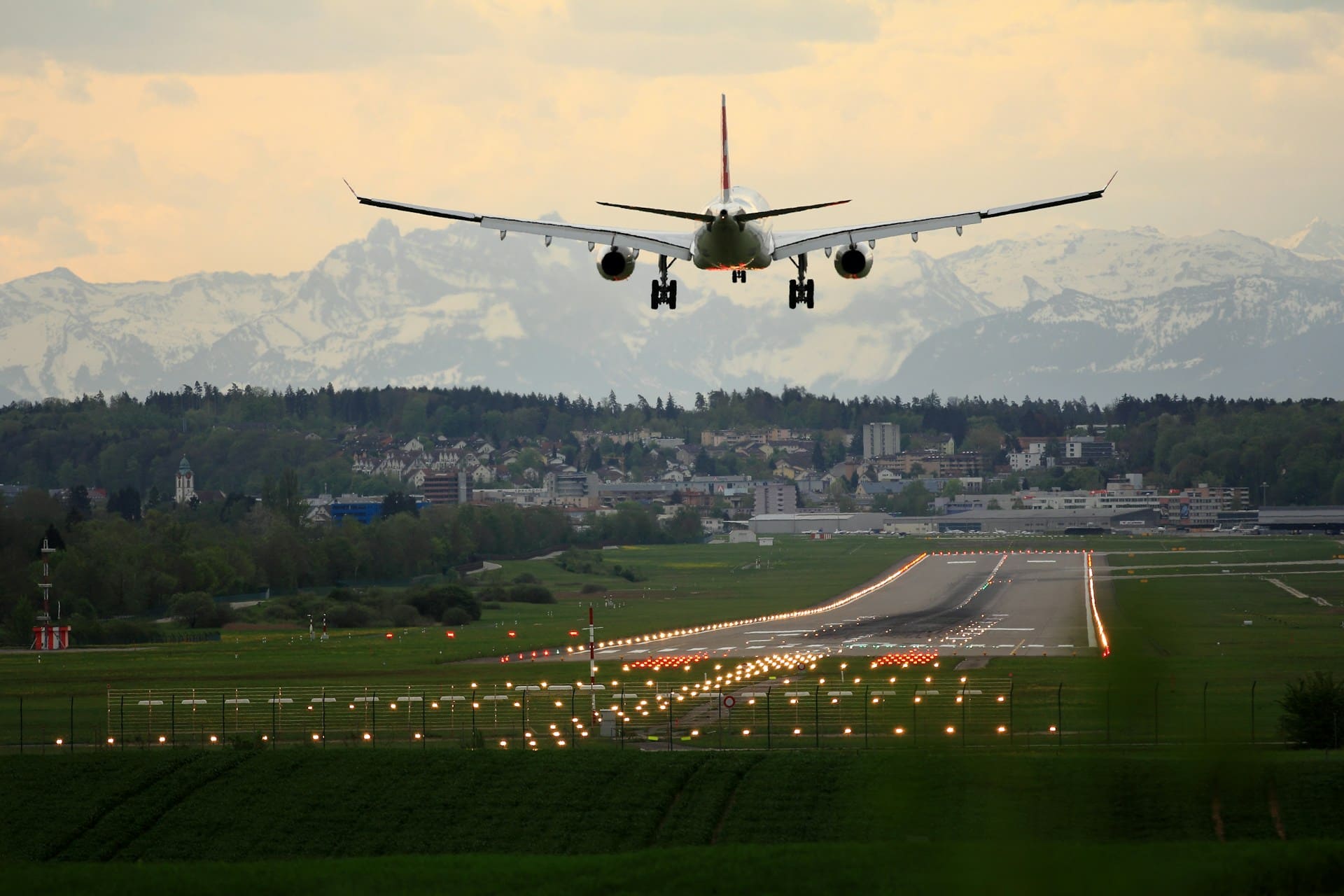
For private aviation, the answer is straightforward: the car meets the aircraft. Arrivals through an FBO, Jet Aviation at Schiphol and Rotterdam, and equivalents across Europe, allow the vehicle onto the apron subject to the handler’s procedures, so the passenger goes from aircraft steps to rear seat without crossing a terminal at all. The mechanics are covered in private jet ground transport.
For scheduled flights, some airports offer a dedicated VIP facility. At Schiphol, the VIP Centre provides private check-in, its own security screening and escorting to and from the aircraft, entirely separate from the public terminal. It is a paid service, it needs booking in advance, and it changes an arrival from a forty-minute exposed walk into a short private one.
Where neither applies, the details still matter: which door, which lane, how long the car can hold there, and whether a name board is helpful or the exact opposite of helpful. For many clients the correct answer is no board at all and a driver who already knows what the passenger looks like. The full picture for Amsterdam arrivals is in our Schiphol pickup guide.
Working With Security Teams
When a client travels with close protection, the relationship has to be clear before the day, not negotiated during it.
The detail leads. The driver supports. That means routes are agreed rather than chosen, timings come from the team, drop-off points may change at short notice, and the driver’s job is to execute without commentary and without improvisation. A second vehicle may run in support, and the two drivers need to have met.
The failure mode is a driver who has never done this and decides, halfway through, that they know a better way. Route deviations are a security problem, not a traffic optimisation.
This is a different skill from ordinary executive driving, and it is worth asking an operator directly whether their drivers have done it.
VIP Is Not The Same As Conspicuous
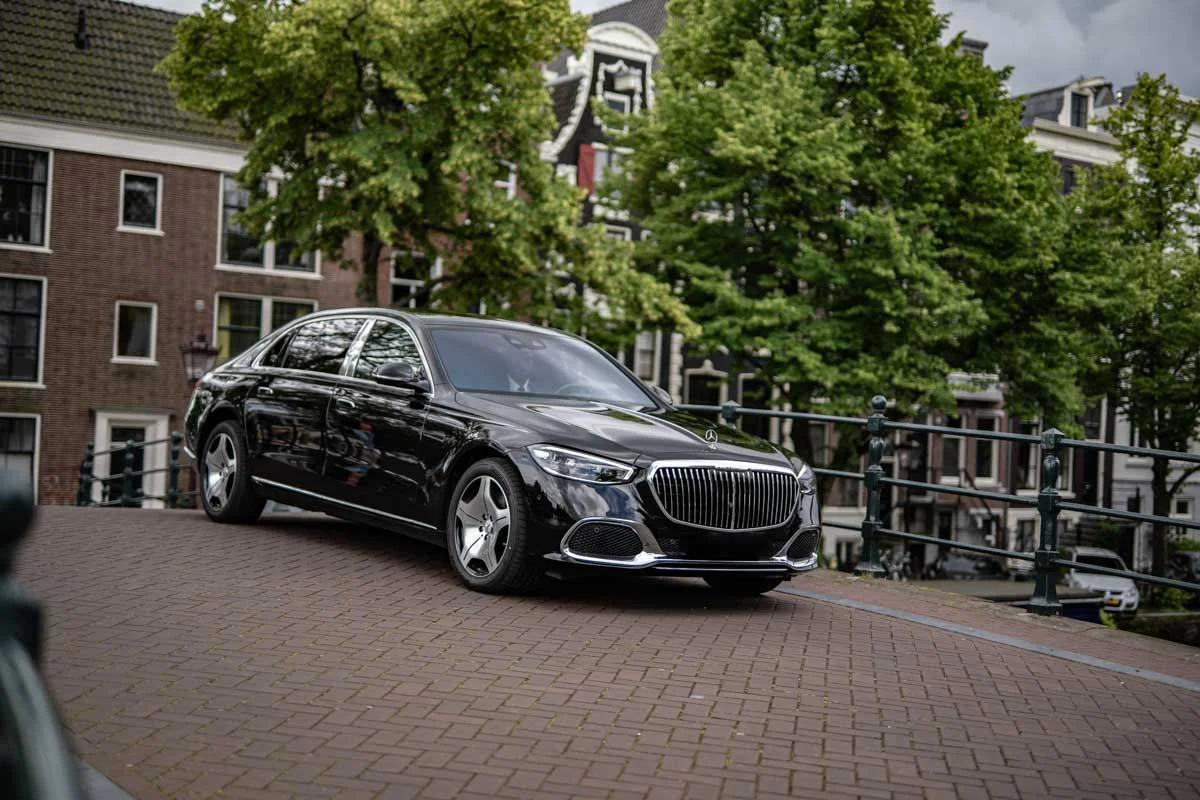
There is a category of client for whom the point of the transfer is to be seen arriving: a premiere, a gala, a wedding, a launch. That is a legitimate brief and a fun one, and it is what a Maybach or a genuinely striking car is for.
It is also the opposite of most VIP work.
Far more often, the brief is to move a recognisable person through a public place without a scene: an unremarkable dark saloon, a driver who does not linger, a route that avoids the front of the building. Stretch limousines are conspicuous by design, which makes them the wrong tool for this and the right tool for the other thing. Our note on limousine cost covers where that line sits.
Ask an operator which of the two they think you are booking. The answer tells you whether they have understood the job.
VIP Transfers In Amsterdam And The Netherlands
Most of our VIP work runs through Amsterdam, and it clusters into a few recognisable patterns.
Schiphol arrivals and departures, either through the main terminal, the VIP Centre, or Jet Aviation for private flights. Flight tracking is included as standard, so pickup follows the aircraft rather than the timetable.
Delegations and state visits, where the requirement is multiple vehicles moving as a group, drivers briefed together, and a single point of contact who is not also driving.
Event and festival work: an evening of venues in a city where taxis vanish at midnight, best handled by hourly hire so the car is where you left it.
High-profile private travel, which is mostly ordinary journeys made carefully.
The Netherlands is small enough that a day can cover Amsterdam, The Hague and Rotterdam comfortably, and our Amsterdam chauffeur guide covers the city end of it.
What To Ask Before You Book
- Are drivers screened, and what does that screening actually include?
- Is confidentiality contractual, and can I see the clause?
- Are the vehicles unmarked?
- Have your drivers worked alongside close protection teams?
- Can you arrange planeside pickup, and have you done it at this airport?
- Who is my point of contact during the journey, and are they driving?
- Is the price fixed at booking, and what changes it?
An operator that answers all seven crisply has done this before. One that answers by describing the interior of the car has not.
Frequently Asked Questions
What makes a chauffeur service a VIP service?
Not the car. A VIP service is defined by what happens around the journey: screened and vetted drivers, enforced confidentiality, planning that accounts for arrival and departure exposure, the ability to coordinate with security teams, and an operator who can absorb a change of plan without a conversation. The vehicle is the easiest part to buy and the least meaningful part of the promise.
Can a chauffeur be met at the aircraft rather than the terminal?
Yes, for private aviation arrivals through an FBO, and at some airports through a dedicated VIP facility for scheduled flights. At Schiphol, the VIP Centre handles private check-in, its own security and escorting; for private jets, Jet Aviation’s terminal allows the car to meet the aircraft subject to the handler’s procedures.
Do VIP chauffeurs sign confidentiality agreements?
They should, and ours do. Beyond the paperwork, the behaviours matter more: no photographs, no social media, no discussion of who was collected from where, and no recognition of a passenger in public on a later occasion unless the passenger initiates it.
Is a VIP transfer the same as a limousine service?
No. A stretch limousine is a specific vehicle type, and a conspicuous one. VIP work more often runs the opposite way: an unremarkable executive saloon that draws no attention, because the point is to move without being noticed rather than to be noticed arriving.
Can you work alongside a client’s own security team?
Yes. That means taking direction on routes, timings and drop-off points, supporting a second vehicle where one is used, and understanding that the detail leads and the driver supports. Drivers who have not done this before tend to improvise, which is exactly what you do not want.
The Short Version
VIP chauffeur service is a set of behaviours, not a trim level. Screened drivers who say nothing, unmarked cars, arrival plans that account for the exposed moments, and an operator who can coordinate a private terminal and a security team without the client making the calls. The car matters least. Tell us what the day involves and we will plan it around the parts that actually carry risk.
More from the Journal
Chauffeur Service in Haarlem: The Quiet Side of Amsterdam
Chauffeur service in Haarlem: Schiphol transfers, the North Sea beaches at Zandvoort, bulb-field season and a medieval centre cars cannot enter.
How to Become a Chauffeur: Licences, Skills and Getting Hired
How to become a chauffeur or private driver: the Dutch taxi driver card explained, licensing across Europe, what operators actually screen for, and the real job.

Wedding Transportation: Moving the Guests, Not Just the Couple
A practical wedding transportation guide: shuttle loops, vehicle mix, timings that hold, late-night returns and the contingencies that save the evening.