
How to Become a Chauffeur: a 2026 Career Guide
How to become a chauffeur or private driver: licences, the Dutch chauffeurskaart, skills, pay and three career paths, from a firm that hires. Read the guide.
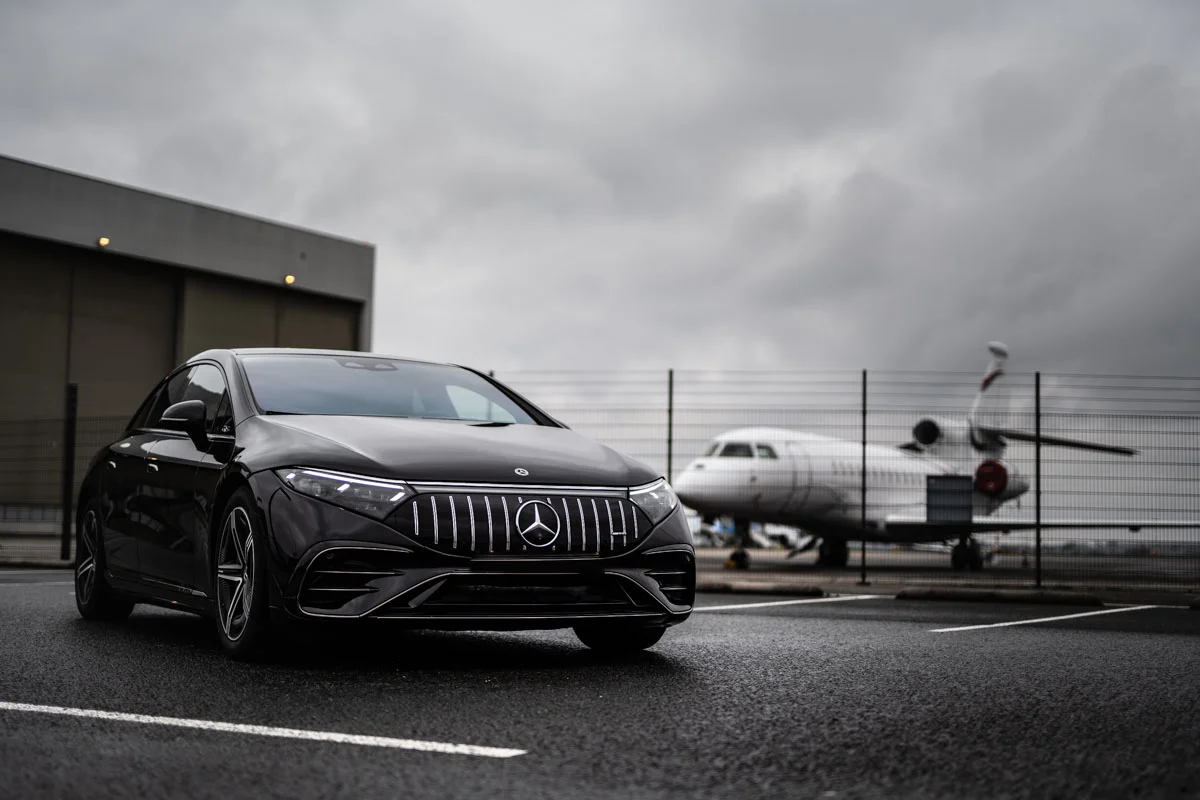
To become a chauffeur you need a clean driving licence, a professional driver permit valid in your country (in the Netherlands the chauffeurskaart, in the UK a private hire licence, in many US states a chauffeur endorsement), two to three years of safe professional driving, and the soft skills that separate a chauffeur from a taxi driver: discretion, presentation, route planning and calm under pressure.
From there the path splits three ways: drive for an established premium operator, contract with a global booking platform, or build your own private driver business. This guide covers each one from the perspective of a chauffeur company in Amsterdam that hires and works alongside drivers every week.
Chauffeur, private driver, personal driver: the actual difference
Online the titles are used interchangeably. Inside the industry they carry small but useful distinctions.
- Chauffeur. A professional driver employed by a chauffeur company or contracted to clients, driving a premium vehicle on pre-booked rides. Business attire, doors opened, luggage handled, an NDA signed where the client requires it.
- Private driver. Slightly broader. A private driver may work for one family or executive on a continuous basis, or run a sole-trader business serving several clients. The car may belong to the client.
- Personal driver. A private driver in a dedicated, ongoing relationship with one principal or household. The job sits closer to household staff than to transport: school runs, errands, security awareness, working with a domestic team.
- Taxi or ride-hail driver. Dispatched on demand, paid by meter or algorithm, no dress code. This is a different job, not a junior version of chauffeuring.
Precision matters when you apply. A candidate who says “I drove a taxi for two years and want to move into executive chauffeuring” tells a recruiter exactly how much retraining is needed. Both profiles can be hired; the framing shows you understand the work.
What a chauffeur actually does all day
Before you commit, know what fills the hours at a premium operator.
- Vehicle preparation. Exterior check, interior vacuum, glass cleaned, water and chargers restocked. Fifteen to thirty minutes per shift.
- Route review. Traffic, roadworks, weather, the client’s flight or meeting time, the exact meeting point, and a backup route.
- The ride. Arrive five to ten minutes early, greet the client, handle the luggage, confirm the destination, drive. Most rides are uneventful, which is precisely the goal.
- Waiting. A large share of any shift is waiting at a hotel, venue, office or airport. You are paid for it, so use it to plan the next leg.
- Admin. Log the trip, submit expenses, charge or fuel the car for the next driver.
The hours are unsocial. Early airport runs to Schiphol and late returns from events make up a big part of premium work. If a regular 04:30 start or 02:00 finish sounds unbearable, this is the wrong career.
Legal requirements to become a chauffeur
Rules are local, but the core is the same everywhere: a full driving licence, a clean record, a professional permit, and proof of identity and right to work.
Netherlands
- A Dutch or EU category B licence held for at least two years.
- A taxi driver diploma (the national taxi exam), because professional passenger transport in cars falls under the Dutch taxi rules of the Wet personenvervoer 2000.
- A chauffeurskaart issued by Kiwa. You apply with a recent Verklaring Omtrent het Gedrag (Certificate of Conduct) and a medical fitness statement. The card is valid for five years.
- For vehicles with more than eight passenger seats, such as a coach, a D licence with code 95.
- Working English. At Amsterdam operators, including SilverDrive, it is effectively mandatory.
United Kingdom
- A full UK licence plus a private hire driver licence from your local council, or from TfL in London.
- An enhanced DBS check, a medical, and depending on the area a topographical or safeguarding assessment.
- The vehicle needs its own private hire vehicle licence.
United States
- A state licence, in some states with a chauffeur endorsement or a passenger endorsement depending on the vehicle.
- City-level chauffeur licences in places such as Chicago and New York.
- Background checks and drug screening are standard.
Check your city before you pay for any course. Training that qualifies you in Amsterdam is not automatically recognised in London or New York.
The skills that decide whether you get hired
Licences get you through the door. These qualities get you the job.
- Smooth, defensive driving. No hard braking, no sharp lane changes. Clients in the back are reading, calling or sleeping; they should not feel the journey.
- Local route knowledge. Know three ways from Schiphol to the Zuidas and which one works at 08:00 versus 17:30. Navigation apps are a fallback.
- Punctuality bordering on paranoia. Five minutes early is on time. On time is late.
- Presentation. Dark suit, pressed shirt, clean shoes, no strong fragrance.
- Discretion. You will see and hear things. You repeat none of them. The whole profession rests on that trust.
- Conversational English. Enough to give a greeting, a route update and a polite signal that you will let the client work.
- Calm under pressure. Cancelled flights, changed pickups, lost passports. The chauffeur is the one person who stays unbothered.
Three paths into the profession
| Path | Start-up cost | Speed to first ride | Earning ceiling | Best for |
|---|---|---|---|---|
| Premium operator | None | Fast | Moderate | Newcomers and career changers |
| Booking platform | Car, insurance, company | Medium | Medium | Drivers who own a premium car |
| Own business | Highest | Slow | Highest | Drivers with an existing network |
Path 1: drive for an established premium operator
Apply to companies that own their fleet, such as SilverDrive in the Netherlands. You drive their cars on their bookings, from the Mercedes-Benz S-Class to electric models like the BMW i7. The company handles insurance, permits for the vehicle and finding the clients. The upside per hour is lower than running your own book, and dispatch sets your schedule. This is the route we recommend to anyone new: learn what premium service really means before you try to sell it yourself.
Path 2: contract with a global booking platform
International platforms usually do not employ chauffeurs. They contract licensed chauffeur businesses and send rides through an app, after document checks and online training. You get steady work without a sales effort, but you need your own qualifying car and insurance, and the platform takes a meaningful cut. Our guide to the best chauffeur services in Europe explains how these platforms differ from operators with their own fleet.
Path 3: build your own private driver business
Register a company, insure a vehicle and find clients directly. It works best when you already have a network, for example as a former concierge, travel manager or close protection officer. From a cold start, filling a calendar with profitable work takes one to three years. Every empty hour is your loss, and you carry the depreciation.
What chauffeurs earn
Pay varies by city, employer and hours. As an order of magnitude, employed chauffeurs at premium operators in Amsterdam and the Randstad earn roughly 2,800 to 3,800 euro gross per month plus tips. In London and major US cities employed chauffeurs earn comparable or higher amounts in local currency. Self-employed drivers with an established client base earn more per hour in exchange for the cost and risk of running a business. Treat any salary site as a rough guide.
How to apply: what a hiring manager looks for
When we review a chauffeur application at SilverDrive, the priority order is roughly this:
- Right to work and a valid local permit. Without the legal basis to drive professionally, nothing else counts.
- Driving record. Two to three years of professional passenger work, ideally executive.
- Spoken English, tested in a short call early on.
- Presentation at the interview. Dress as you would for a pickup.
- References. One from a previous transport role, one character reference.
- Judgement. We ask scenario questions such as: a client asks you to wait an extra hour, but your next booking starts in forty-five minutes. What do you do? We listen for whether you think about the client and the operator at the same time.
If you would rather move into board-level work in the Netherlands, read our Dutch guide on directiechauffeur worden.
Drive for SilverDrive
SilverDrive runs its own Mercedes, Maybach and BMW fleet across Amsterdam, the Randstad and routes into the rest of Europe. We hire chauffeurs who hold a chauffeurskaart, have at least two years of professional passenger driving, speak English comfortably and present at the standard our clients expect. If that is you, send your CV and a recent reference through our contact page, and take a look at the fleet you would be driving.
Frequently asked questions
How long does it take to become a chauffeur?
With a full driving licence and a clean record, the professional permit (the chauffeurskaart in the Netherlands, a private hire licence in the UK, a chauffeur endorsement in many US states) usually takes four to twelve weeks, mostly waiting on background checks and exams. A premium operator then adds two to four weeks of orientation and shadowing. Plan on three to six months from decision to first paid shift.
Do I need my own car to become a chauffeur?
Not if you join an established operator. Companies such as SilverDrive provide the vehicle; you bring the driving and the service standard. You only need your own qualifying car, typically a recent Mercedes E-Class or higher, if you contract with a platform or start your own private driver business.
What qualifications do you need to be a chauffeur in the Netherlands?
A Dutch or EU driving licence (category B) held for at least two years, a taxi driver diploma, and a chauffeurskaart issued by Kiwa. The chauffeurskaart application needs a Certificate of Conduct (VOG) and a medical fitness statement, and the card is valid for five years. Driving vehicles with more than eight passenger seats also requires a D licence with code 95.
How much does a chauffeur earn?
Employed chauffeurs at premium operators in the Netherlands earn roughly 2,800 to 3,800 euro gross per month, plus tips. Self-employed drivers with their own clients can earn more per hour but carry the cost of the vehicle, insurance and finding work. Pay always depends on hours, city and client mix.
Can I become a chauffeur with no experience?
Rarely at a premium operator. Most reputable companies want two to three years of professional passenger driving first, for example taxi, shuttle or corporate fleet work. Build a clean record there, then apply to a chauffeur company with real driving history to show.
Is being a chauffeur a good career?
It suits people who enjoy driving, like autonomy on shift and take pride in service. The hours are unsocial and the income is steady rather than spectacular. Chauffeurs who stay ten or twenty years treat the job as a craft and enjoy the variety of clients and routes.