
What Is a Chauffeur? Definition, Duties and Pay
A chauffeur is a professional driver employed to drive passengers in a private vehicle. What the word means, what the job involves, and how it differs from a driver.
A chauffeur is a professional driver employed to drive passengers in a private motor vehicle, typically an executive saloon or SUV. The word describes a trade rather than a vehicle: the defining features are training, pre booking, and responsibility for a passenger’s time and privacy. Anyone can drive a car. A chauffeur is accountable for the journey.
That distinction sounds like marketing until you have watched both jobs done side by side. This guide sets out where the word comes from, what the work actually involves, how the role differs from a taxi or ride hail driver, and what to expect if you are hiring one or considering the career.
Where the Word Comes From
The word is French and it started with steam. Early motor cars ran on steam boilers that had to be lit and tended before the vehicle would move, and the person who did that was the chauffeur, literally the stoker or “one who heats”. The owner rode; the chauffeur made the machine work.
Petrol engines killed the boiler within a couple of decades, but the name stuck to the person at the controls. What survived the technology change was the underlying idea: the chauffeur is the professional who takes the mechanical and logistical burden off the passenger. In 1900 that meant lighting a boiler. Today it means knowing that the A10 is closed and leaving eleven minutes earlier without being asked.
Both major dictionaries record the modern sense plainly. Merriam-Webster defines a chauffeur as “a person employed to drive a motor vehicle”; the Cambridge English Dictionary gives “someone whose job is to drive a car for a rich or important person”. Note that both definitions centre on employment, not on luxury. The car is incidental to the meaning.
How to Spell and Say It
Chauffeur is one of the most misspelled job titles in English, which is why search engines see enormous volumes of near misses. The common variants are chaufer, chauffer and chaffeur, and if you have typed any of them you are in extremely large company. The spelling that appears on every licence, contract and insurance policy is c h a u f f e u r: two f’s, “eur” at the end.
A memory aid that works: the word contains the French chauffe (heat) plus the agent ending eur, the same ending as in entrepreneur and connoisseur. Get the “chauff” and the “eur” right and the rest follows.
Pronunciation is easier than the spelling suggests. In British and American English it is “shoh FUR”, stress on the second syllable. Searches for a chauffer service or a chaffeur service are looking for exactly the same thing as searches spelled correctly, and reputable operators will never make a point of it.
What a Chauffeur Actually Does
The job is widely misunderstood because the visible part, driving, is the smallest part. A professional chauffeur spends most of a shift on work the passenger never sees.
Before the journey. The route is checked against live traffic and roadworks, not assumed from memory. Flight numbers are tracked so that an early landing or a two hour delay changes the pickup time automatically. The vehicle is cleaned inside and out, fuelled or charged, and stocked. The chauffeur arrives at the pickup point early, finds somewhere legal to wait, and confirms the meeting point.
During the journey. Doors, luggage and climate are handled without discussion. The driving style is deliberately unremarkable: smooth inputs, early braking, no lane fighting. A passenger working on a laptop or taking a call in the back should not have to brace against anything. Conversation follows the passenger’s lead and stops when they stop.
After the journey. The car is cleaned again, the next movement is prepared, and nothing about the passenger, the destination or anything overheard leaves the vehicle. Discretion is not an added extra in this trade. It is the product.
The waiting. Between movements a chauffeur repositions, waits, and stays reachable. This is why the day rate for a driver at your disposal is not simply the driving time multiplied by an hourly figure, as our guide to hiring a chauffeur by the hour explains.
Chauffeur, Taxi Driver, Ride Hail Driver
All three hold a licence to carry paying passengers. The similarity ends there, and the differences are structural rather than a matter of polish.
| Chauffeur | Taxi | Ride hail | |
|---|---|---|---|
| Booked | In advance, for a named passenger | Hailed or ranked | On demand via app |
| Assigned to | A person, for a period | A trip | A trip |
| Price | Fixed and agreed beforehand | Metered, varies with traffic | Dynamic, can surge |
| Vehicle | Known in advance, unmarked | Whatever arrives, marked | Whatever is nearest |
| Driver | Named, screened, repeatable | Whoever is next in the rank | Whoever accepts |
| Waiting | Part of the service | Charged or refused | Not offered |
The practical consequence is repeatability. With a taxi or an app you get a vehicle. With a chauffeur driver you get the same standard on a wet Monday in February as on the day of the demonstration, and usually the same person, who already knows that you prefer the front desk entrance rather than the main doors.
The word carries a second, older meaning worth knowing. To be chauffeured around simply means to be driven about by someone else, and the phrase is used loosely in English for any situation where a person does not drive themselves. In professional use, the narrower definition above is the one that matters.
Types of Chauffeur Work
The trade splits into recognisable categories, and they are genuinely different jobs.
Corporate and executive
Driving for a company, either employed directly or through an operator that holds the contract. Work is dominated by airport runs, client movements and multi car days around board meetings and investor roadshows. Punctuality tolerance is measured in single minutes. Our executive car service guide covers how these contracts are structured.
Private household
Employed by a family or an individual, often alongside other household staff. The role frequently extends past driving into school runs, errands, deliveries and vehicle management. A personal chauffeur driver in this setting is a long term appointment, and cultural fit and discretion outweigh almost everything else. See personal driver service for what the arrangement looks like in practice.
Event, wedding and hospitality
Short engagements with a high presentation standard and a running order that must hold. The vehicle matters more here than in any other category because it appears in photographs.
Chauffeur companies
Most chauffeurs work for an operator rather than directly for a passenger. A chauffeuring company owns or contracts the fleet, screens and trains the drivers, holds the insurance and licensing, and dispatches the work. When you book chauffeur services from a firm like this you are buying the company’s standards, not one individual’s goodwill, which is precisely why the model scales and an informal arrangement does not. The differences between an operator, a broker and a platform are set out in our guide to choosing a car service company.
Becoming a Chauffeur
Requirements vary by country, but the shape is consistent. You need a full driving licence with a clean record, the professional or private hire licence your jurisdiction requires, and in most markets a criminal record check. Beyond the paperwork, operators hire for temperament: patience, presentation, discretion and an unflappable response to things going wrong.
Pay depends on market, hours and sector, and published averages are close to useless because a corporate contract in a capital city and a seasonal event role are not the same job. Anyone weighing it up should read current listings in their own country. We have set out the route into the profession in detail in becoming an executive chauffeur.
One correction worth making: the uniform is not the job. The peaked cap is largely a period costume now, retained by a few operators for weddings and ceremonial work. Most working chauffeurs in Europe wear a dark suit and are indistinguishable from the passengers.
Do You Need One?
Hiring a chauffeur makes sense when the value of your time in transit exceeds the difference in price, when arrival time genuinely cannot slip, or when privacy matters. It makes less sense for a single short hop where a taxi will do.
The honest test is what happens to your day when the transport fails. If a missed connection costs a meeting, a signature or a flight, a pre booked professional with a tracked flight number and a fixed price is the cheaper option, whatever the receipt says. If it costs you twenty minutes and mild irritation, it is not.
SilverDrive runs a chauffeur service staffed by its own professional chauffeurs, driving its own fleet from Amsterdam across the Netherlands and Europe, at fixed prices agreed before the car moves. If you want the wider category first, start with what a car service is and the American vocabulary in black car service, explained.
More from the Journal
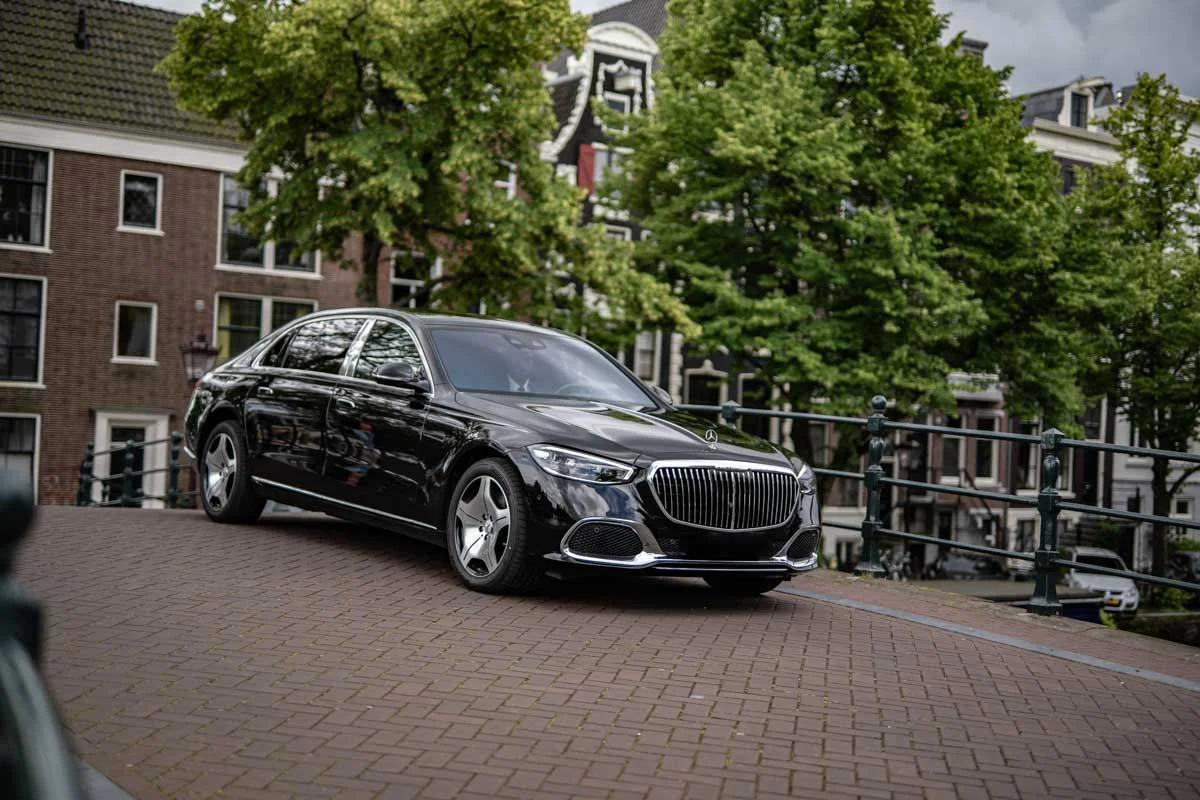
Chauffeur Service in Haarlem: The Quiet Side of Amsterdam
Chauffeur service in Haarlem: Schiphol transfers, the North Sea beaches at Zandvoort, bulb-field season and a medieval centre cars cannot enter.
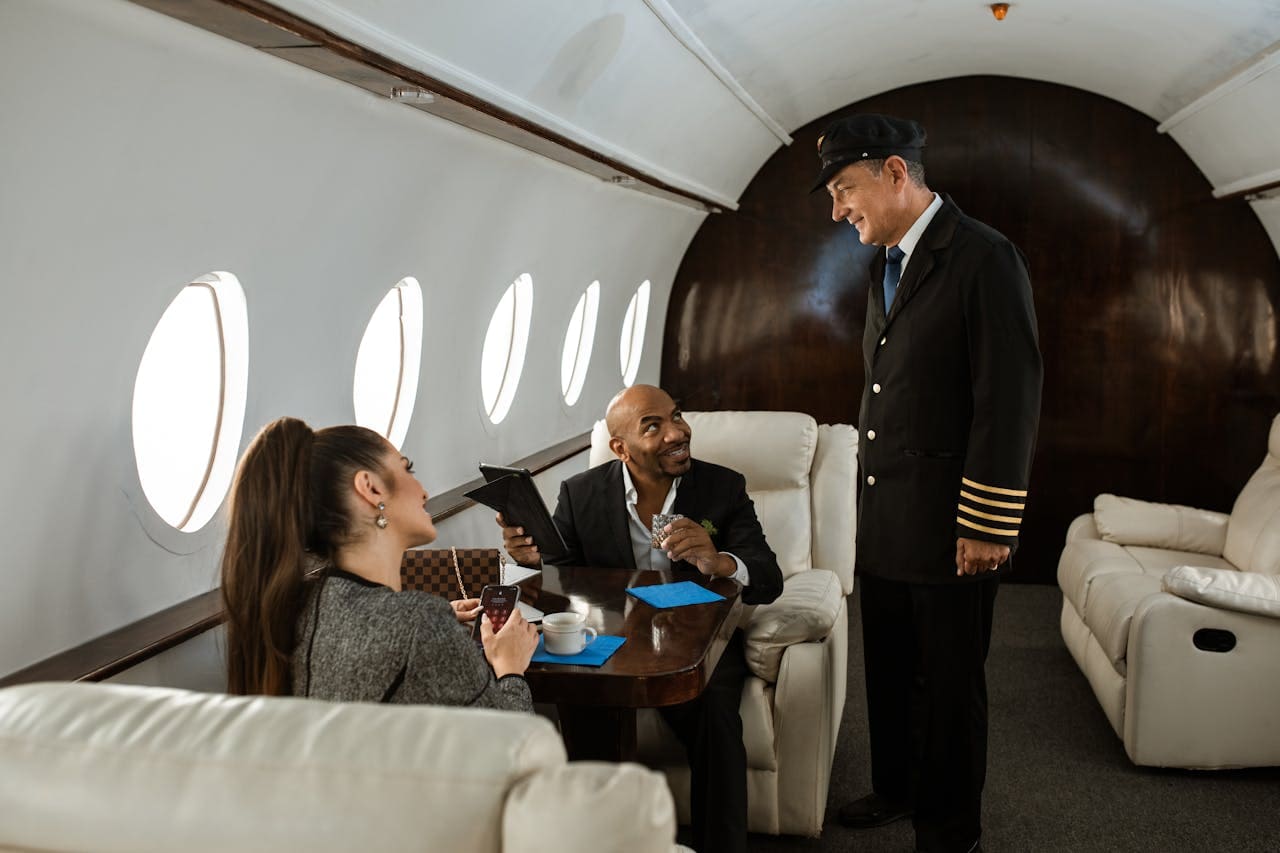
How to Become a Chauffeur: Licences, Skills and Getting Hired
How to become a chauffeur or private driver: the Dutch taxi driver card explained, licensing across Europe, what operators actually screen for, and the real job.

Wedding Transportation: Moving the Guests, Not Just the Couple
A practical wedding transportation guide: shuttle loops, vehicle mix, timings that hold, late-night returns and the contingencies that save the evening.