
Long Distance Car Service: Planning a Drive Across Europe
A long distance car service turns a four to ten hour drive into one planned journey. Driver hours, overnight stops, what the quote covers, and when rail wins.
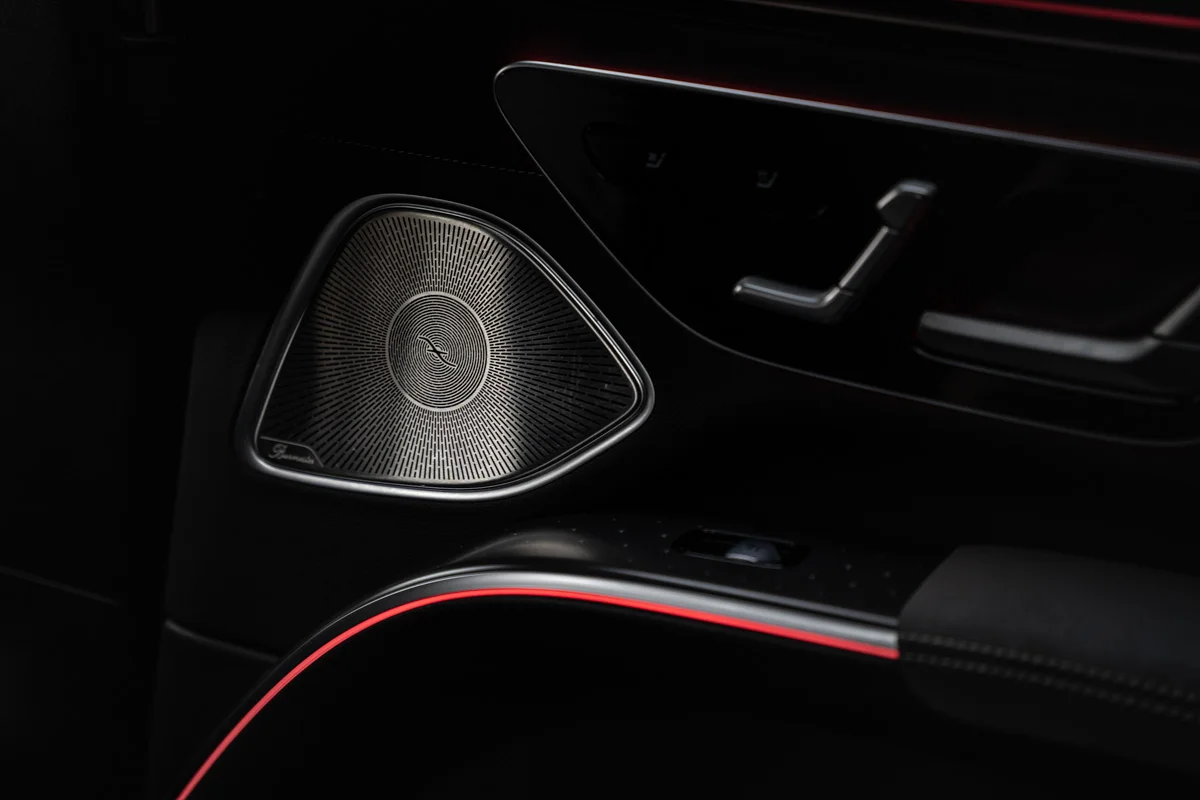
A long distance car service is a pre-booked car and professional chauffeur for journeys of roughly two hours or more, often across a border. Instead of a meter, you get a fixed fare agreed before departure, a driving plan built around rest rules, and one chauffeur from your front door to your destination, with an overnight stop where the distance needs one.
The problem with a long road journey is rarely the road. It is everything around it: a long distance taxi with the meter running through three countries, a driver who has been awake too long, a quote that quietly leaves out the tolls. SilverDrive runs these journeys across Europe from Amsterdam, with its own fleet and the same chauffeur kept for the whole trip. As one Trustpilot reviewer put it in June 2025: “As always a reliable and comfortable drive.” This guide explains what qualifies as long distance, how the serious journeys are structured, what the quote covers, and when the train or a flight is honestly the better call.
What Counts as a Long Distance Car Service?
A journey becomes long distance at about two hours or 200 kilometres. Below that, a trip is a transfer: one driver, one stint, no planning beyond traffic. Beyond it, the questions multiply (breaks, driver hours, border timing, whether the day should split), and the answer has to be designed rather than dispatched.
| Distance band | Example from Amsterdam | How it runs |
|---|---|---|
| 2 to 3 hours | Brussels, or Düsseldorf (about 2 hours 15 minutes) | Single stint, one chauffeur, door-to-door |
| 4 to 6 hours | Frankfurt (about 4.5 hours) or Paris (about 5 to 5.5 hours) | One day with planned breaks; work or rest en route |
| 6 to 10 hours | Munich, Geneva, or London via the Channel Tunnel | Early start and a long day, or an overnight split |
| Beyond 10 hours | The Riviera or Rome | Overnight stop, a relay of chauffeurs, or fly and drive |
The middle band is where the car is strongest. Our guide to city-to-city chauffeur travel covers those corridors in detail, and the Amsterdam to Paris run, roughly 500 kilometres of motorway, has its own route guide.
Long Distance Chauffeur or Long Distance Taxi?
A long distance taxi charges by the meter; a long distance chauffeur service charges a fare agreed in advance. That single difference decides most of what follows.
A meter running for five hours puts every traffic jam, diversion and roadworks queue on your bill, and you only learn the total at the destination. Over a short city hop that is an annoyance. Over a cross-border journey it is a budget you cannot plan. SilverDrive’s position is simple: a price should be agreed before the car moves. Surge pricing and meter anxiety are the problem a chauffeur service exists to remove.
The second difference is the car itself. A taxi is built for short urban trips and a quick turnaround. A chauffeured saloon or people carrier is chosen for the length of the journey, with the luggage space, the seating and the quiet cabin that five hours on a motorway actually require. The third is accountability: one chauffeur, briefed in advance, responsible for the journey from your door to the destination, rather than whichever car happens to be free.
How the Longest Journeys Are Structured
Every long journey takes one of four shapes, chosen around your day and the chauffeur’s legal limits. A good operator tells you which one fits before you book, not at a service station.
The Single Long Day
Up to five or six hours of driving fits one day comfortably: an early start, planned breaks, and arrival with the evening intact. The rear seat becomes a mobile office or a long rest. The Mercedes S-Class and BMW i7 are built for exactly this, and a Mercedes V-Class turns the same hours into family time with the luggage problem solved.
The Overnight Split
Beyond that band, pretending a journey is one day serves nobody. The better shape is a deliberate overnight stop, often somewhere worth stopping, with the same chauffeur continuing the next morning. A drive to the south of France becomes two civilised days rather than one brutal one, and the trip gains a city it would otherwise have bypassed. The chauffeur’s hotel and meals for that night are added to the booking; they are not in the fare.
The Chauffeur Relay
Where the schedule cannot absorb an overnight, a second chauffeur can take over partway, so the car keeps moving while every driver stays inside the limits. This is a planning exercise (positioning the relief chauffeur, matching the handover to a natural break), and it is arranged before departure rather than improvised on the day.
Fly and Drive
For the longest distances, the honest structure is often a flight for the middle section and chauffeured cars at both ends, booked as one arrangement. The car service’s job is the door-to-door layer, not loyalty to the road.
Driving Time and Rest Periods: Why the Plan Matters
Driver fatigue is the one risk on a long journey that planning removes entirely, and removing it is part of what you pay for. Any operator willing to promise twelve continuous hours behind one driver is telling you what else it is willing to cut.
The EU driving time and rest period rules apply to coaches and to minibuses carrying more than nine people including the driver. They set a daily driving limit of 9 hours (extendable to 10 hours twice a week), a break of at least 45 minutes after four and a half hours of driving at the latest, and at least 11 hours of daily rest. On a group booking in a large Sprinter or a coach, those numbers shape the itinerary directly.
Chauffeurs of cars and smaller vans fall under working-time law rather than those tachograph rules, but the coach limits are a sensible yardstick for any long day. When SilverDrive quotes a two-day itinerary, the driving plan already respects the limits. When a client asks for a schedule that would breach them, we say so and restructure it. The planning is our job, not yours.
What a Long Distance Car Service Quote Covers
SilverDrive prices every long journey as a fixed fare agreed at booking: the vehicle, the chauffeur’s time and the route as described, with no meter and no surge multiplier. A quote is only useful if you know exactly where its edges are, so here they are, taken from the booking terms and pricing conditions.
Not included in the fare:
- Tolls, such as French autoroute péage or Italian motorway tolls
- Parking fees at hotels, venues and stops
- Ferry and tunnel costs, including the Channel crossing to the UK
- The chauffeur’s meals and accommodation when the journey includes an overnight stay
When a service starts or ends in another city, a call-out fee applies, calculated in time from Amsterdam. None of this is hidden; it is simply the honest shape of a cross-border journey, and a quote for a five-country trip that mentions none of these items deserves a second look at the small print.
Within the Schengen area there are no routine border formalities, so Amsterdam to Frankfurt or Paris runs as one uninterrupted drive. Journeys beyond Schengen are planned around the crossing. Amsterdam to London by car, for instance, uses the LeShuttle car train from Calais to Folkestone, a planned crossing of 35 minutes with border controls at the Calais terminal before boarding.
For multi-country itineraries, our guide to a private driver in Europe explains how one chauffeur handles several borders, and the European operations page shows the coverage. Companies moving executives on recurring corridors can run the same arrangement as corporate transportation, with standing arrangements and one consolidated invoice.
Choosing the Right Car for Hours on the Road
The right vehicle for a long journey is the one that fits your party and your luggage with room to spare, because what feels fine for forty minutes is cramped by hour four.
| Party | Vehicle | Why it suits a long drive |
|---|---|---|
| 1 to 3 passengers, working en route | Mercedes S-Class, BMW i7, Mercedes EQS | Quiet rear cabin, space to work or sleep |
| Up to 3 passengers, top tier | Mercedes-Maybach | For the journey where the cabin is the point |
| Families and small groups | Mercedes V-Class (7 seats) or EQV with massage seats (5 or 6) | Luggage for everyone, room to move |
| Larger groups | Mercedes Sprinter (8, 16 to 20, or 28 to 30 seats) | One vehicle, one schedule |
| Delegations and events | Setra coach (52 seats) | Everyone arrives together |
On board, Wi-Fi, bottled water and newspapers are available on request, and the cabin has individual climate control. Over six hours, those details stop being extras.
When Rail or Air Genuinely Win
The car does not win every comparison, and a service that claims otherwise is selling rather than advising.
The train wins for a solo traveller with light luggage on a fast rail corridor. Amsterdam to Paris by high-speed rail is quick and, for one seat, far cheaper than a chauffeured car. If that is your journey, take the train.
Flying wins on time once driving stretches much past six to eight hours. For most travellers, Amsterdam to Rome is a flight, not a road trip.
The car wins where the alternatives fray: three or four people travelling together, where one fixed fare compares well with four tickets; door-to-door schedules with no station transfers at either end; luggage that rail makes miserable; multi-stop days no timetable serves; and travellers who need the journey hours to be private working hours. It also wins whenever the itinerary is the point: several cities, one car, the same chauffeur throughout.
How to Brief a Long Distance Journey
The more precisely you describe the trip, the more accurate the structure and the quote. Send these five things:
- Where it starts and where it ends, with exact addresses rather than city names
- The date and the time you need to arrive (we plan the departure backwards from that)
- Who is travelling and how much luggage they have
- Stops you need on the way: a meeting, a lunch, a second pickup
- Whether you can split the trip with an overnight stop, or need to arrive the same day
From that, we propose a structure (single day, overnight split, relay or fly and drive), confirm the vehicle, and set out the fare and the items that sit outside it.
Frequently Asked Questions
What counts as a long distance car service journey?
As a working rule, anything beyond about two hours or 200 kilometres: the point where a journey stops being a transfer and starts needing a plan for breaks, driver hours and sometimes an overnight stop. That covers corridors such as Amsterdam to Paris, cross-border business circuits and multi-day itineraries across several countries.
How much does a long distance car service cost?
It depends on the vehicle, the distance, the hours and whether the trip runs over more than one day, so there is no honest flat rate. SilverDrive agrees a fixed fare before the car moves, with no meter and no surge multiplier. Tolls, parking, ferries, tunnels and the chauffeur’s overnight costs are charged separately.
Are tolls included in a long distance car service quote?
Not with SilverDrive. The booking terms exclude parking fees, tolls, ferry and tunnel costs, so French péage, a Channel crossing or a paid car park are added to the agreed fare. Ask any operator to name these items before you book; a quote that stays silent on them is not a complete quote.
Are chauffeurs’ driving hours regulated?
Yes. Coaches and larger minibuses fall under the EU driving time rules: 9 hours of daily driving, a 45-minute break after four and a half hours at the latest, and 11 hours of daily rest. Car chauffeurs fall under working-time law, and a serious operator plans every long itinerary inside sensible limits.
Who pays for the chauffeur’s hotel on an overnight trip?
The client does. When a journey includes an overnight stay, the chauffeur’s accommodation and meals are not part of the fare and are added to the booking. It is usually still cheaper and calmer than paying for a second long day of driving, and the same chauffeur continues the next morning.
When is the train or a flight better than a car?
A solo traveller with light luggage on a fast rail corridor (Amsterdam to Paris, for instance) is usually better served by the train on cost. Beyond roughly six to eight hours of driving, flying wins on time for most travellers. The car wins for groups, door-to-door schedules, heavy luggage and multi-stop itineraries.
Can the chauffeur stay with me for a multi-day trip?
Yes. On multi-day bookings SilverDrive keeps the same chauffeur and car throughout, including across borders. The chauffeur overnights near your hotel and each day starts from your door, which is what makes an extended European itinerary workable by road.
Book a Long Distance Car Service
If your journey crosses the two-hour line (one long day, an overnight split or a week across Europe), send us its shape: where it starts, where it ends, who is travelling and what the days must hold. We will come back with a structure that respects the driving limits and a fixed fare with its exclusions spelled out.
SilverDrive runs its own fleet with licensed, background-checked, English-speaking chauffeurs, around the clock, and holds a TrustScore of 4.7 from 34 reviews on Trustpilot (November 2026). Book your long distance journey.
More from the Journal

Barcelona Car Service: BCN Airport, Cruise Port and City
Barcelona car service explained: BCN airport pickups, cruise port transfers at Moll Adossat, city hours and day trips, and how to book a car with driver well.
Private Chauffeur: What It Is, What It Costs, How to Choose
A private chauffeur explained: the four ways to book one, what actually sets the price, the brief to send and how to choose an operator anywhere in Europe.

Places That Pay You to Move There: What Is Real in 2026
Places that pay you to move there in 2026, checked against official sources: Irish islands, Sardinia, Sicily, rural Spain, Tulsa and West Virginia.